
Our Values and Approach
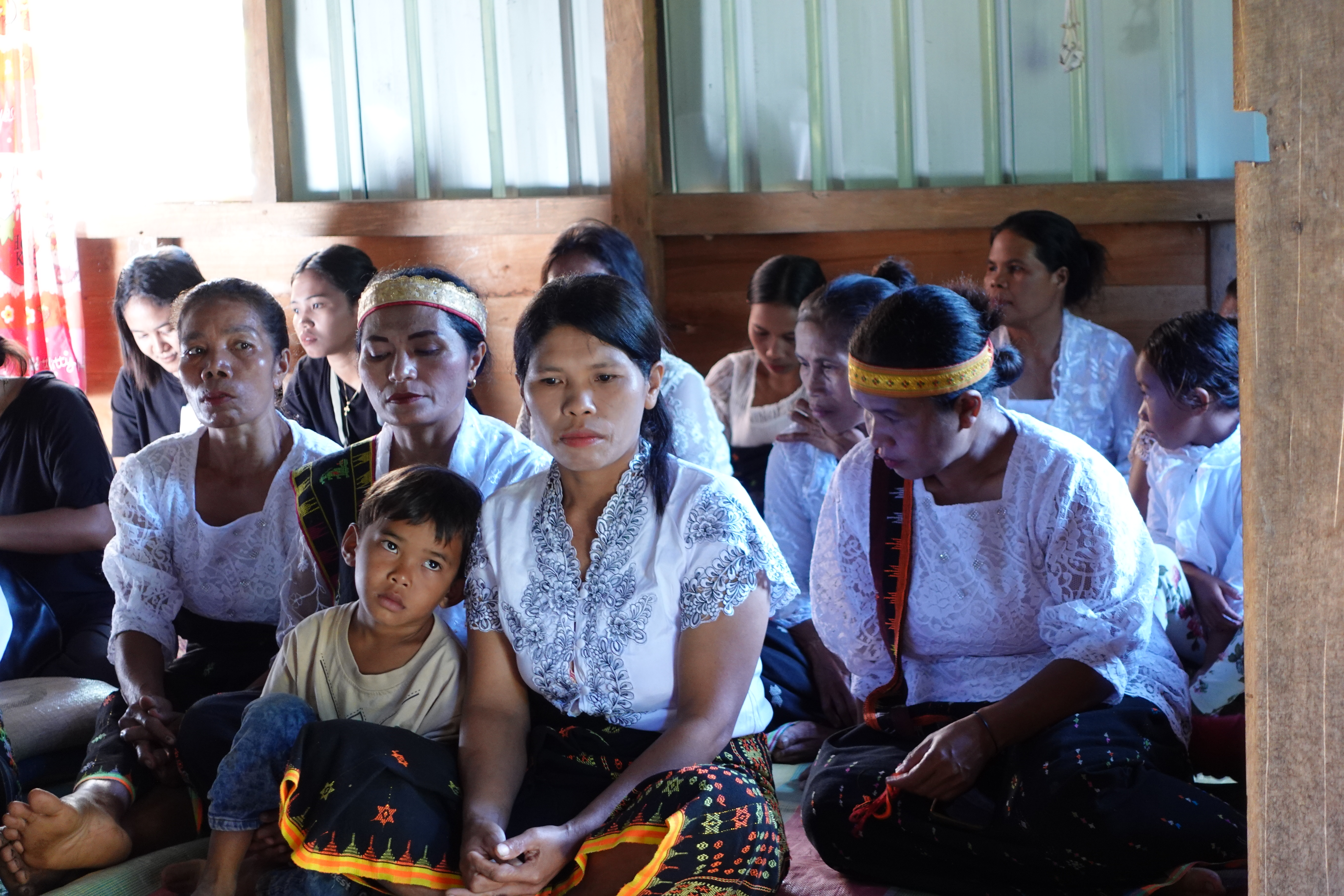
WRI’s founding members were concerned with 3 main issues Indonesian women were facing:
Limited Access
Women had limited access to resources and decision making forums. This is caused by a systematic disregard of women’s lives and experiences.
Limited Representation
Women were severely underrepresented in decision making forums and institutions and thus were unable to effectively advocate for themselves.
Limited Capacity
The limited capacity of women representatives in decision making forums and institutions make it difficult to influence formal and informal policy making processes
In Response to These Obstacles,
Yayasan WRI Conducts Research and Investigations to
Increase The Representation of Women in Decision-Making Positions and Institutions, and
To Empower and Enable Women Representatives to Influence Decision-Making Processes.
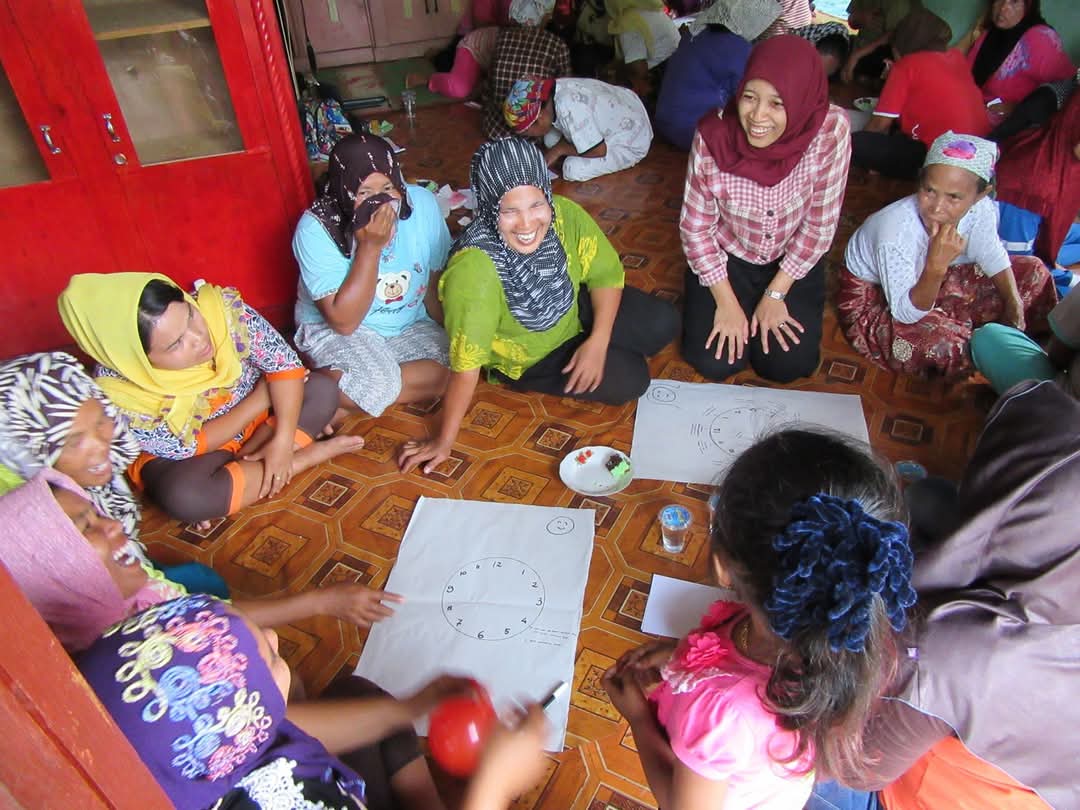
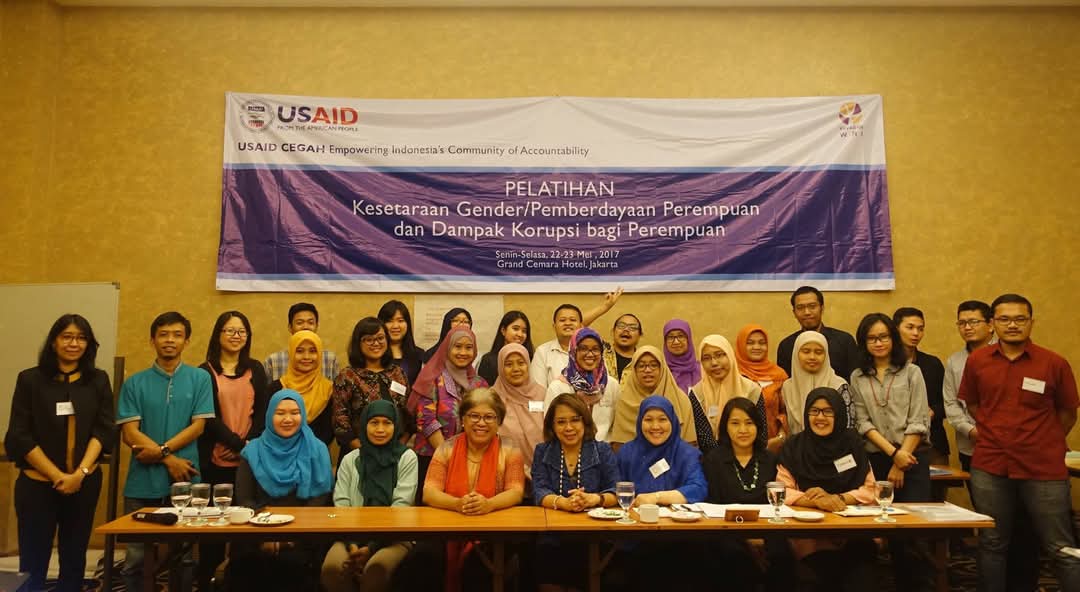
WRI employs comprehensive methodologies and analysis strategies to advance gender equality, inclusive governance, and sustainable development.
Our participatory approach begins with engaging women, marginalized groups, and their communities –
Carving spaces for voices that have long since been silenced.
The Women Research Institute was Founded on These Values:
Inclusive Governance
We believe that good governance stems from the ability of public policy to properly account for the whole of their constituents, not just its most powerful or influential counterparts.
Justice and Equality
This is a foundational edict for any state to be considered a functioning Democracy. This value sets precedence for meaningful representation in formal and informal decision-making processes.
Transparency
This the the golden standard we strive for when creating programs and research ventures, as well as what we advocate to policy and decision makers as we move towards a more just democracy.
Climate and Environmental Justice
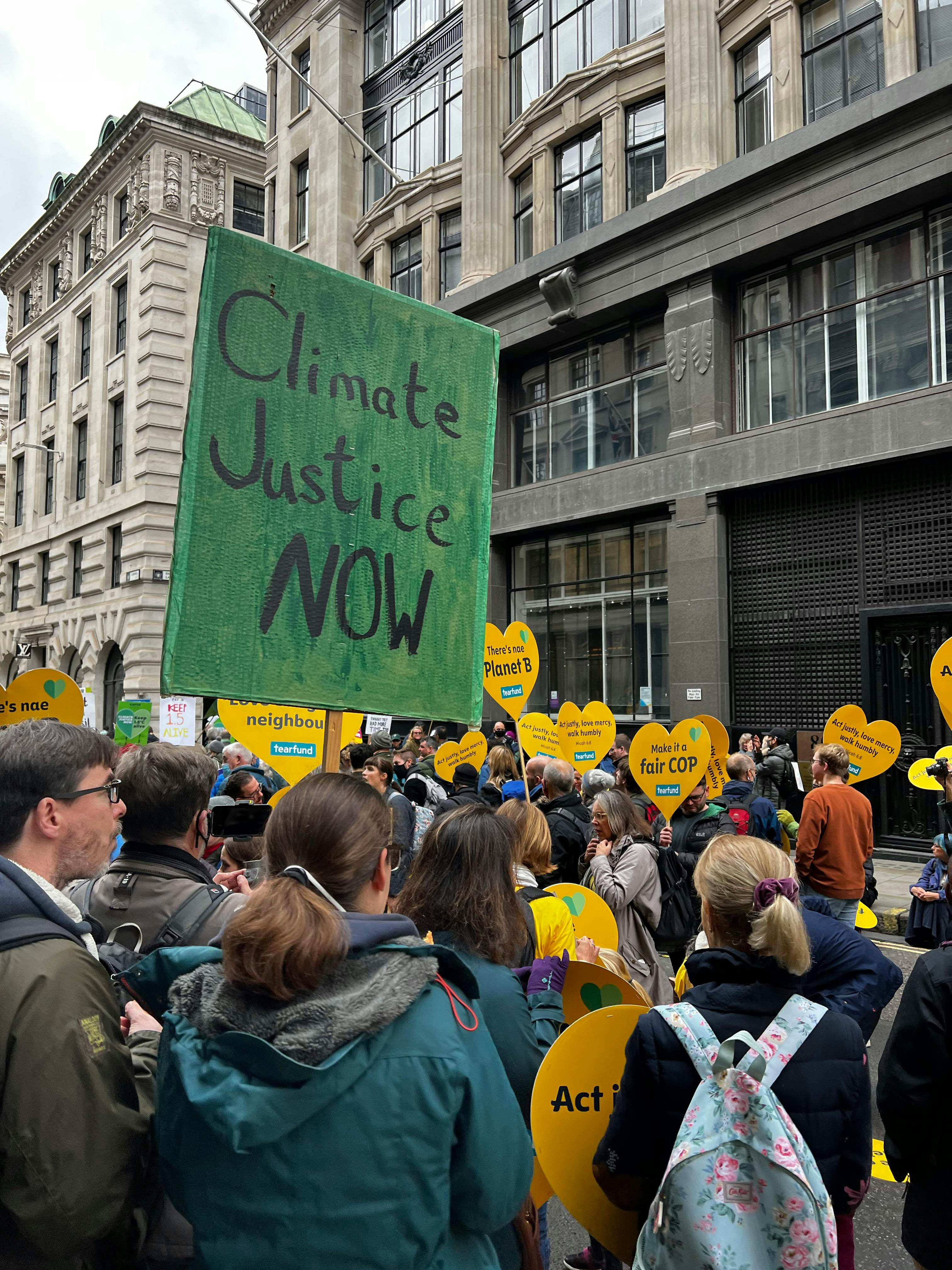
In 2015, Yayasan WRI began working in the environmental justice space specifically in response to the forest fire haze issue in Riau.
During the project, we made a few observations:
Women are some of the most vulnerable groups impacted by climate change issues
These vulnerabilities stem from pre-existing issues that are exacerbated by the ongoing climate crises
Though largely not acknowledged, the vulnerabilities women face are a microcosm of their communities’ vulnerabilities,
Women are often charged with communal tasks (gathering water, domestic health and work, subsistence garden maintenance, etc), essential yet unpaid labour that nobody else would do. Labour that has become increasingly difficult due to climate change
These conditions and the position women hold in their communities presented us with the conclusion that Climate and Environmental Justice, especially regarding community resilience, begins with the women in said communities
Women have already been the bastions of their communities’ resilience, regardless of acknowledgement. This position should mean that their experiences should be considered meaningfully. .
Since then we began moving in the Climate and Environmental Justice space, advocating for the inclusion of women in decision making positions and processes.
Click Below To Learn More:
 Women Research Institute