
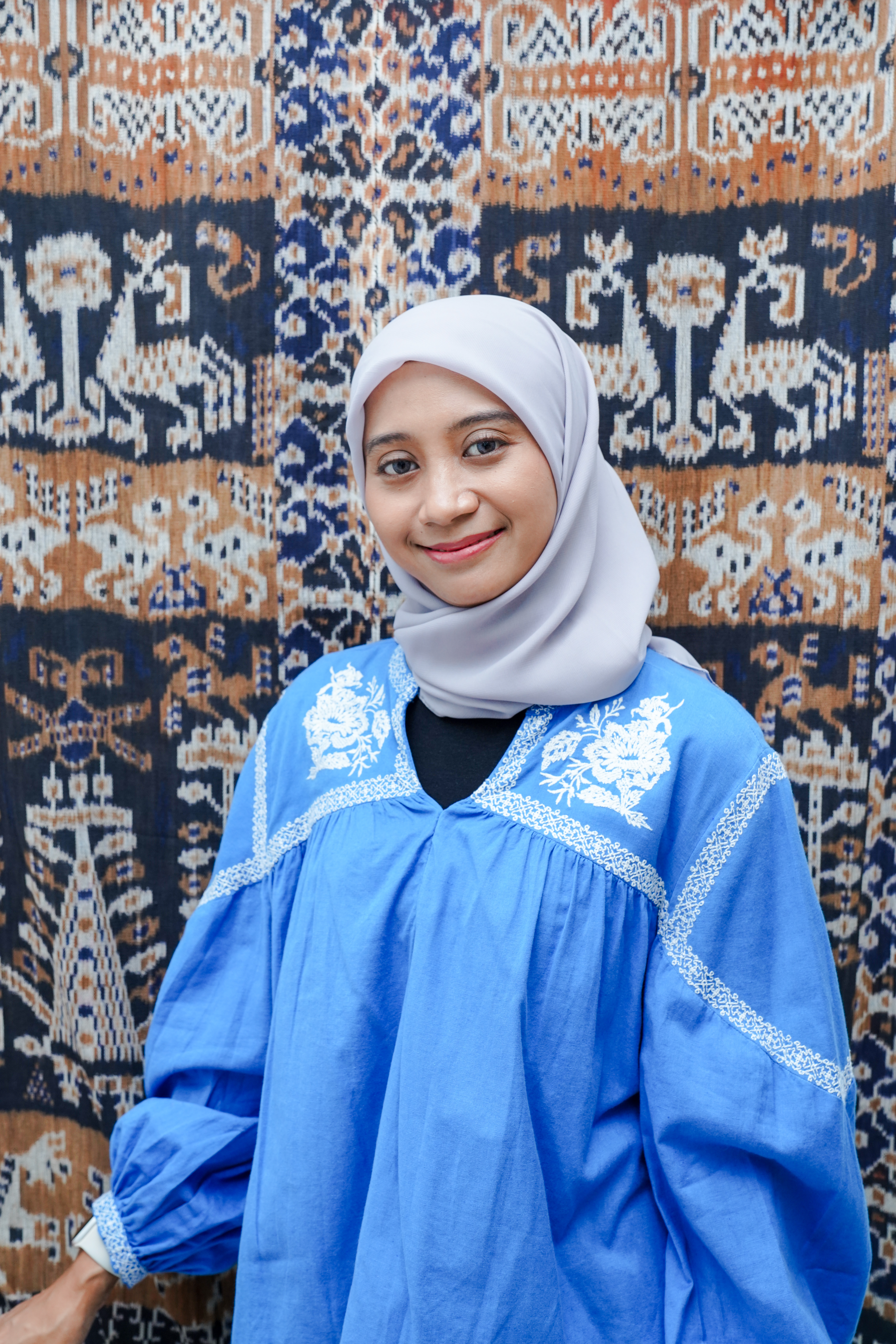
Benita Nastami
Policy Researcher and Program Manager, Gender & Climate Program Manager, Advocate for Inclusive Governance
Benita Nastami is a researcher and program manager with over a decade of experience in advancing gender equality, inclusive governance, and climate justice in Indonesia. With a strong academic foundation in sociology and criminology, she has led numerous gender-responsive research and advocacy projects across diverse thematic areas such as women’s leadership in climate action, gender-based violence in politics and extractive industries, and GEDSI (Gender Equality, Disability, and Social Inclusion) integration in development planning.
Currently serving as a Program Manager at the Women Research Institute (WRI), Benita has collaborated with national and international institutions including UN Women, USAID, the Asia Foundation, Westminster Foundation for Democracy (WFD), and the Chinese Academy of Sciences. Her field experience spans more than ten Indonesian provinces, from West Kalimantan and Riau to Nusa Tenggara Timur, where she has facilitated participatory action research, capacity-building programs for grassroots women leaders, and institutional assessments using feminist and human rights-based approaches.
Benita’s academic work includes a Master’s thesis that explored the double burden of urban working mothers using a feminist phenomenological approach and Nancy Fraser’s Universal Caregiver framework. Her research and publications have covered issues from health sector corruption and women in forest governance to the impact of mega-infrastructure projects such as high-speed rail on marginalized communities.
She has also been actively involved in global learning forums, such as the Australia Awards Fellowship on Women’s Economic Empowerment, the Global Forest Watch Summit in Washington, and Asia-Pacific gender workshops in South Korea and Thailand.
Through her work, Benita combines critical feminist analysis with strategic collaboration, contributing to policy recommendations, learning modules, infographics, and multimedia resources that amplify women’s voices and shape more inclusive and equitable development agendas. Her professional trajectory reflects a consistent commitment to intersectional feminism, evidence-based policy advocacy, and empowering women in both grassroots and institutional spaces.
 Women Research Institute