
By Benita Nastami
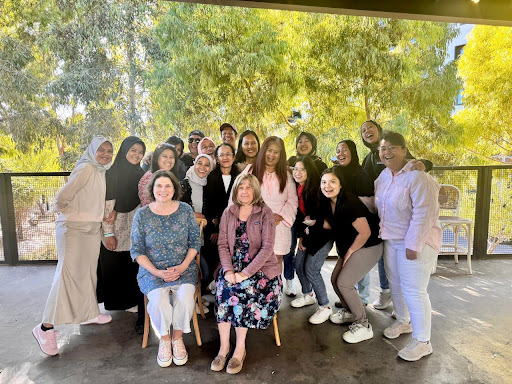
For six weeks between April and May 2025, I had the opportunity to participate in the Australia Awards Fellowship program titled “Women’s Economic Empowerment for Inclusive and Sustainable Development in Indonesia.” The program was funded by Australia’s Department of Foreign Affairs and Trade (DFAT) and facilitated by Flinders University.
This Fellowship was more than just a training program, it served as a space where theory met practice, reflection led to action, and knowledge intersected with the lived experiences of women from diverse backgrounds.
Beyond Labor Force Participation Rates
When discussing women’s economic empowerment, we cannot stop at labor force participation statistics alone. During the intensive training sessions of the Australia Awards Fellowship, I came to realize that women’s economic empowerment is a cross-cutting issue, deeply intertwined with power relations within households, public policy design, social protection systems, and even spaces for trauma recovery.
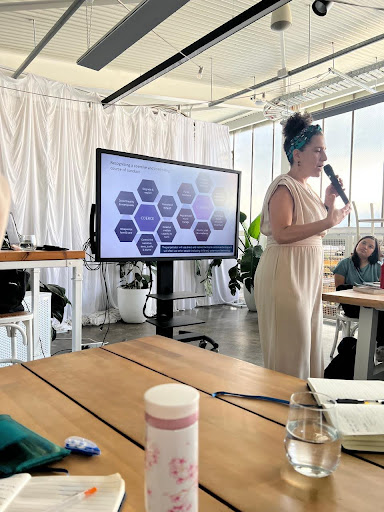
One of the most powerful insights came from a session on gender-based violence (GBV) and the concept of coercive control, a form of non-physical violence that includes restricting mobility, controlling finances, and limiting a woman’s decision-making power. Though often invisible, such control has a profound impact on women’s economic lives. Many women are unable to access or sustain employment because they live under constant surveillance, fear, and isolation. In this context, economic empowerment cannot be separated from efforts to prevent and respond to gender-based violence.
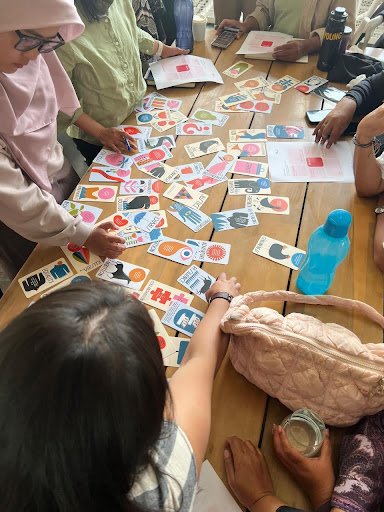
We also explored how social stigma hinders the reintegration of formerly incarcerated women. These women are often denied access to employment, even when they possess the necessary skills and motivation. Visits to organizations such as Seeds of Affinity and the Working Women’s Centre SA provided a clear picture of the importance of safe spaces and integrated support systems for women survivors. These insights revealed that gender-insensitive policies are not only unjust, but they also restrict women’s economic opportunities and limit their ability to live with dignity.
Issues such as disability inclusion and social protection were also prominent in our discussions and field visits. Without systems that are inclusive and responsive to the realities of women with disabilities, single mothers, survivors of violence, and informal workers, inequalities will persist. A gender-responsive and vulnerability-aware social protection system is a critical foundation for equitable economic empowerment.
On the other hand, sessions on self-awareness and self-care deepened our understanding that economic empowerment also begins within. The restoration of self-worth, strengthening of internal capacity, and the ability to make conscious decisions are essential elements of women’s leadership. In this context, leadership is not only about formal positions of power, but also about the ability to survive, speak out, and shape one’s own life in systems that are often unjust.
For six weeks between April and May 2025, I had the opportunity to participate in the Australia Awards Fellowship program titled “Women’s Economic Empowerment for Inclusive and Sustainable Development in Indonesia.” The program was funded by Australia’s Department of Foreign Affairs and Trade (DFAT) and facilitated by Flinders University.
This Fellowship was more than just a training program, it served as a space where theory met practice, reflection led to action, and knowledge intersected with the lived experiences of women from diverse backgrounds.
Beyond Labor Force Participation Rates
When discussing women’s economic empowerment, we cannot stop at labor force participation statistics alone. During the intensive training sessions of the Australia Awards Fellowship, I came to realize that women’s economic empowerment is a cross-cutting issue, deeply intertwined with power relations within households, public policy design, social protection systems, and even spaces for trauma recovery.
One of the most powerful insights came from a session on gender-based violence (GBV) and the concept of coercive control, a form of non-physical violence that includes restricting mobility, controlling finances, and limiting a woman’s decision-making power. Though often invisible, such control has a profound impact on women’s economic lives. Many women are unable to access or sustain employment because they live under constant surveillance, fear, and isolation. In this context, economic empowerment cannot be separated from efforts to prevent and respond to gender-based violence.
We also explored how social stigma hinders the reintegration of formerly incarcerated women. These women are often denied access to employment, even when they possess the necessary skills and motivation. Visits to organizations such as Seeds of Affinity and the Working Women’s Centre SA provided a clear picture of the importance of safe spaces and integrated support systems for women survivors. These insights revealed that gender-insensitive policies are not only unjust, but they also restrict women’s economic opportunities and limit their ability to live with dignity.
Issues such as disability inclusion and social protection were also prominent in our discussions and field visits. Without systems that are inclusive and responsive to the realities of women with disabilities, single mothers, survivors of violence, and informal workers, inequalities will persist. A gender-responsive and vulnerability-aware social protection system is a critical foundation for equitable economic empowerment.
On the other hand, sessions on self-awareness and self-care deepened our understanding that economic empowerment also begins within. The restoration of self-worth, strengthening of internal capacity, and the ability to make conscious decisions are essential elements of women’s leadership. In this context, leadership is not only about formal positions of power, but also about the ability to survive, speak out, and shape one’s own life in systems that are often unjust.

The entire learning experience affirmed that women’s economic empowerment is not merely about access to jobs or capital. It is also about ending violence, recognizing identities, promoting social justice, and restoring dignity. This is why an intersectional and transformative approach is crucial—not just to increase participation rates, but to ensure that women can live, work, and lead in ways that are safe, fair, and meaningful.
Deepening the Understanding of Sustainable Business
Another memorable part of the program was the sustainability tour, where we visited various enterprises guided by principles of environmental and social sustainability. One such visit was to Beach Organics, a small business running an organic farm in South Australia. More than just a farming enterprise, Beach Organics stands as a concrete example of how business can operate based on values of sustainability, solidarity, and community empowerment.
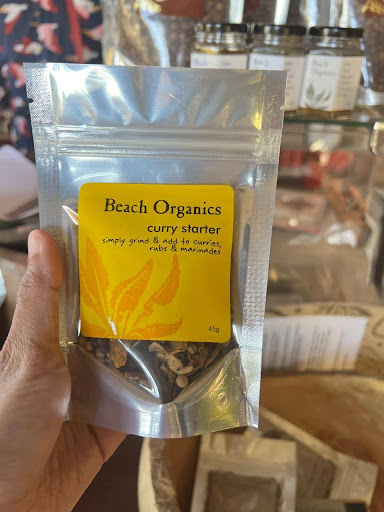
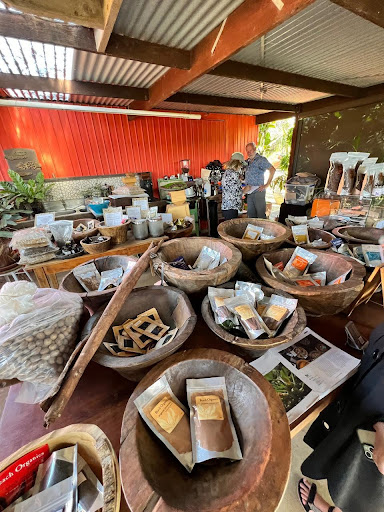
They embrace the concept of a low food shop, which involves selling food products with minimal packaging and directly from producers to consumers. This model encourages more environmentally conscious consumption patterns while cutting out distribution chains that often disadvantage small farmers. The principle of generous reciprocity is also strongly evident, economic relationships are built on fairness, where producers receive fair prices, consumers actively engage in the local ecosystem, and a portion of the business’s profits is reinvested into the community. Eco-living practices form the backbone of their daily operations, from the use of natural materials and waste management to the design of workspaces that harmonize with nature.
In addition to visiting Beach Organics, we also joined a sustainability tour to explore other local initiatives that demonstrated sustainable practices in action. These included:
- Gut Feeling Café, a community-based café that serves healthy meals made from local and organic ingredients, while also reducing food waste through efficient serving practices and composting.
- Jetty Food Store in Port Elliot, a store and licensed café operating under a “from farm to store” concept. They offer fresh produce sourced from local farmers, locally roasted organic coffee, fresh juices, and seasonal dishes prepared on-site.
- OpShop (Opportunity Shop), a second-hand store run in collaboration with a church, which forms part of the sustainable consumption movement. It gives new life to old items, reduces waste, and provides affordable goods to low-income community members.

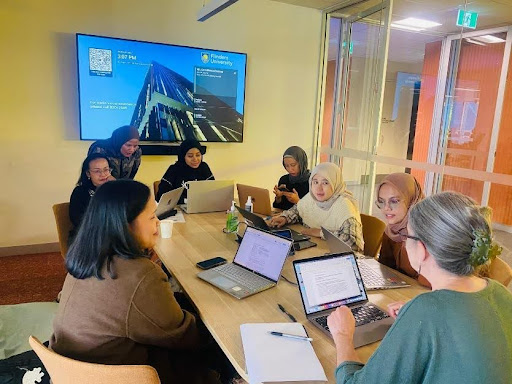
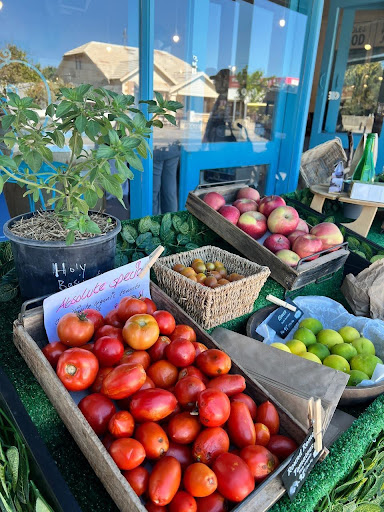
This series of visits offered a fresh perspective on the role of business in the transition toward a more just and sustainable society. I became increasingly convinced that business is not merely a tool for generating profit, but can also serve as a powerful space for empowerment and social transformation. This insight is highly relevant to the Indonesian context, where many women, especially in the micro and informal sectors, have long been building nature-based and community-driven enterprises. Yet, without supportive markets, infrastructure, and policies, their potential often remains underdeveloped.
The experience in Australia was a source of inspiration, showing that even small-scale businesses can create significant impact when grounded in the values of sustainability, justice, and community engagement. This is the path we must continue to pursue: an economy that is not only green, but also inclusive and equitable.
Rethinking the Meaning of Inclusion
One of the most powerful “wow” moments I experienced during the Fellowship was learning from Purple Orange, an organization committed to creating a fairer and more equitable world for people with disabilities. They didn’t just talk about “physical access” in the narrow sense, but emphasized the importance of being valued, heard, and fully included in every aspect of decision-making. They demonstrated that inclusion is not merely an administrative policy, but a conscious act that requires shifting perspectives and transforming power dynamics.
This reflection hit close to home, as in Indonesia, women with disabilities are often invisible in economic empowerment discussions and programs. They face multiple layers of barriers—being women, being persons with disabilities, and often belonging to impoverished and socially marginalized groups.
This visit reminded me that involving people with disabilities must go beyond symbolic gestures or token representation. We must truly listen to their voices, understand their lived experiences, and co-create programs not for them, but with them. Only through participatory and empathetic approaches can economic empowerment agendas become genuinely inclusive and just.


Recognizing the Importance of Engaging Men as Allies
One of the most important reflections I took away from this Fellowship is the deep realization that the fight for gender equality cannot rest solely on women’s shoulders. Men must be consciously engaged as allies, not in a dominant or “savior” role, but as equal partners who understand their responsibility in dismantling deeply rooted systems of inequality.
This awareness became even stronger after participating in the Men as Allies training, which was part of the Fellowship program. The training provided a meaningful space for reflection on how men can take an active role in advancing change, from building equal relationships within families, to challenging toxic masculinity in communities, and advocating for gender-just policies.
Engaging men as allies is not simply about adding new actors to the movement, it’s about transforming the movement itself to become more dialogical, collaborative, and rooted in the understanding that gender inequality harms everyone, not just women.
In the context of Indonesia, this is a critical reminder. Many women’s economic empowerment programs still treat gender issues as separate from the dynamics of power relations within households or communities. Yet without shifting the mindsets and behaviors of the men around them, women’s agency remains constrained.
That is why mainstreaming men’s engagement as allies must be an integral part of future strategies, including in advocacy efforts and training programs developed by the Women Research Institute.
Learning from Women Who Rise
One of the most powerful takeaways from this Fellowship was witnessing how the program’s capacity-building activities reached marginalized and often overlooked groups. A particularly impactful session was the visit to Seeds of Affinity, an organization founded and run by formerly incarcerated women in South Australia. They have created a safe space that offers skills-based training and emotional support to help women rebuild their lives after prison.
On another occasion, we participated in a screening of the documentary film Songs Inside, which tells the story of women in prison who find healing, recognition, and dignity through a music program developed within the correctional system.
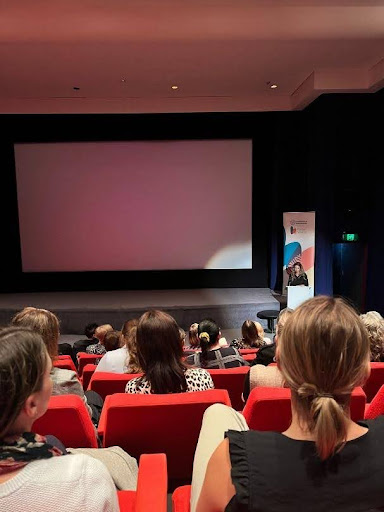

This experience reminded me of how the reintegration of formerly incarcerated women in Indonesia remains shrouded in stigma. In many regions, access to employment, healthcare, and even education for their children presents daily challenges, challenges that are often unheard of in mainstream empowerment discourses.
Designing Action Research: Pathways to Inclusive Flexible Work
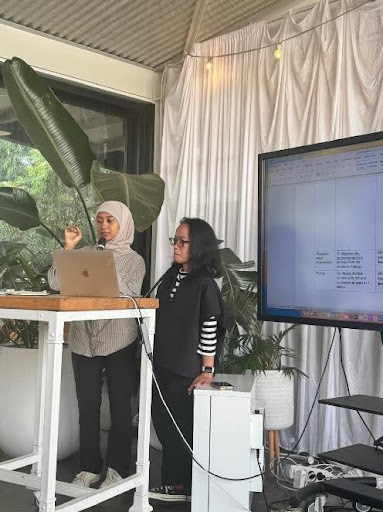
As part of the Fellowship, my colleague and I developed an action research project titled Exploring the Feasibility of Flexible Working Arrangements (FWA) for Women. The study will be conducted from May to September 2025 and aims to explore how flexible work models can offer practical solutions for women, particularly those who juggle paid work with caregiving responsibilities. In the Indonesian context, this issue is highly relevant, given the limited inclusive employment options available to women in both formal and informal sectors.

Strengthening Networks and Critical Reflections
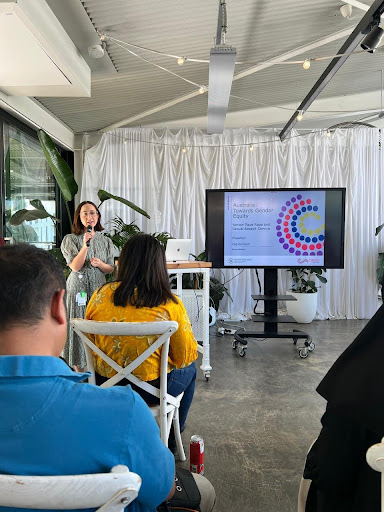
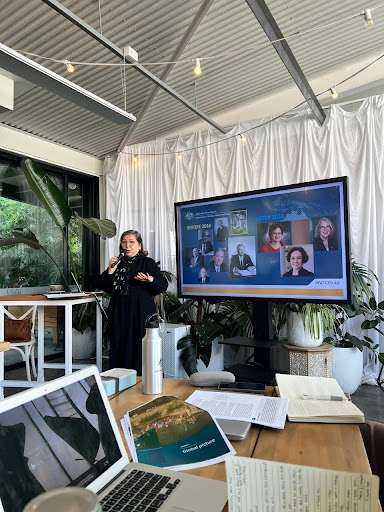
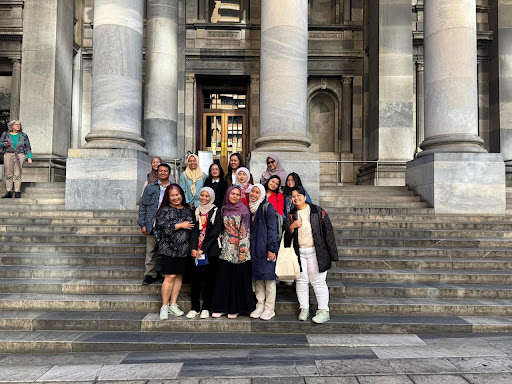
During the Fellowship, we also visited institutions such as the Working Women’s Centre SA, Yarrow Place, and the Parliament House of South Australia. We engaged in meaningful discussions on legal protection, survivor support services, and gender-responsive public policies.
At a vigil commemorating victims of domestic violence, we joined the local community in lighting candles on the lawn of Government House, honoring those who did not survive. It was a quiet yet powerful moment, a solemn reminder that the struggle for social justice must persist, even in silence.
What We Bring Back to Indonesia
For me personally, this Fellowship aligns deeply with the mission of the Women Research Institute, to amplify women’s voices and lived experiences in public policy. It opened up tangible opportunities for future action and helped me reexamine our work at WRI through a renewed lens.
I return home with a more holistic perspective, stronger networks, and a revitalized spirit. This was not merely a learning journey, it was a transformative process that reminded me that social change often begins in small, safe spaces, places where women are heard, trusted, and given the opportunity to heal, speak, and lead. And from those spaces, great movements can emerge.
My participation in this program helped me develop a more holistic perspective, expand my networks, and renew my sense of purpose. This Fellowship was not merely a learning journey, it was a transformative experience, a powerful reminder that social change begins in small spaces where women are given the opportunity to heal, speak, and empower themselves.
 Women Research Institute